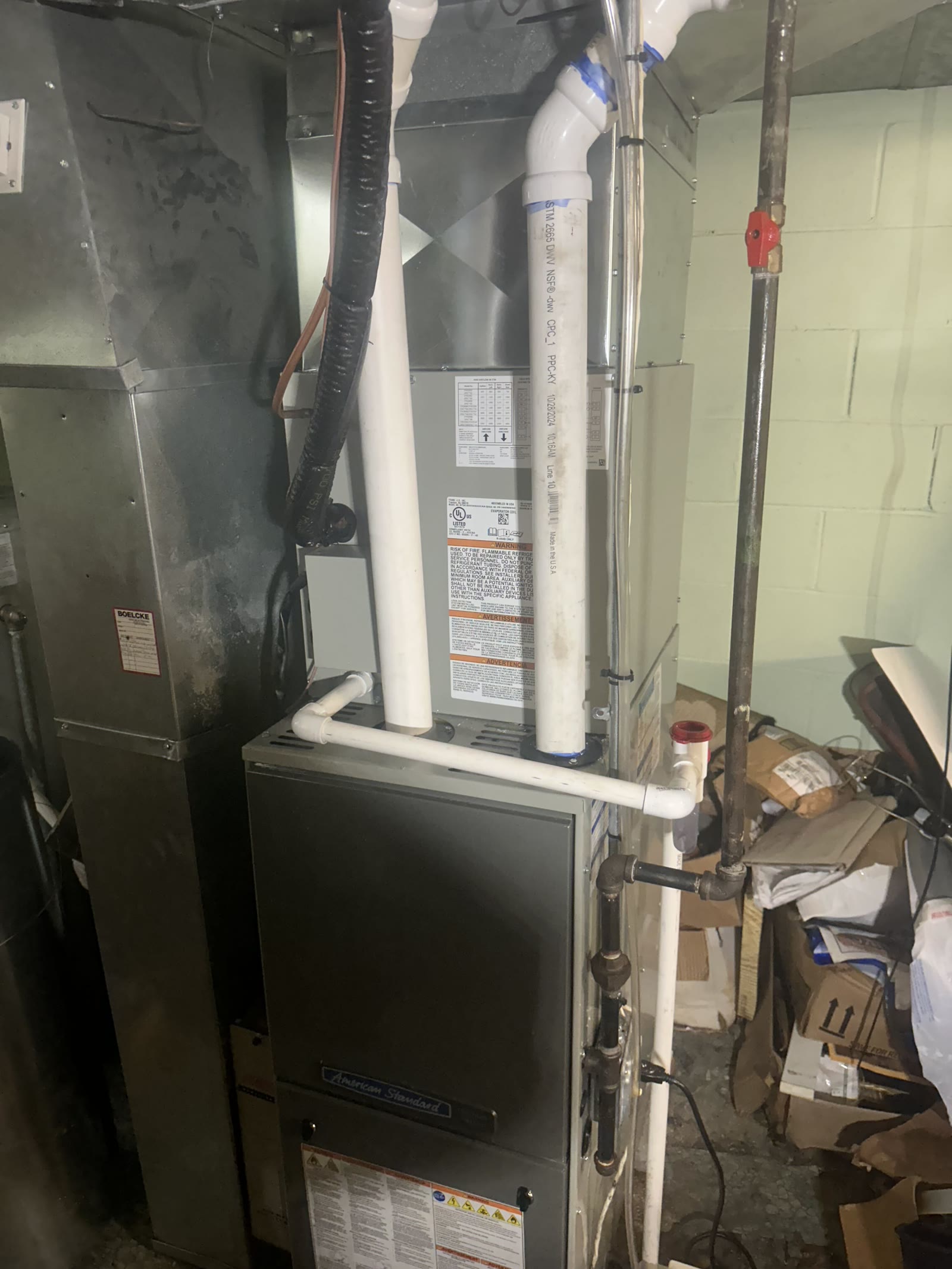
Fall Furnace Check-Up: Get Ahead of Michigan’s First Cold Snap
In Southwest Michigan, fall can feel gentle one week and sharp the next. Lake-effect air rolls in off Lake Michigan, overnight lows drop, and suddenly every home from Benton Harbor to St. Joseph, Stevensville, and New Buffalo wants heat at the same time.
That’s why a fall furnace check-up is one of the smartest home-maintenance habits you can keep. It’s not about chasing a sale—it’s about knowing your heating system is ready before the first real cold snap, when schedules fill up and small issues get expensive fast.
Why a Fall Check-Up Matters Here
Furnaces sit idle for months through our warm season. Dust settles, filters load up, and parts that looked fine in April can feel sticky or worn by September. When you flip the thermostat to heat for the first time, you’re asking that equipment to wake up cold and work hard.
A seasonal check-up helps you:
- Catch weak ignition, airflow, or safety-control issues while it’s still comfortable outside
- Keep the system running cleaner and more efficiently through winter
- Reduce the odds of a no-heat call on the coldest night of the year
- Document maintenance that many manufacturers expect for warranty peace of mind
Around here, “I’ll deal with it when it gets cold” often means waiting until everyone else has the same idea. Mid-September is a calm, practical window—before the rush, after summer cooling season winds down.
What a Proper Furnace Check-Up Includes
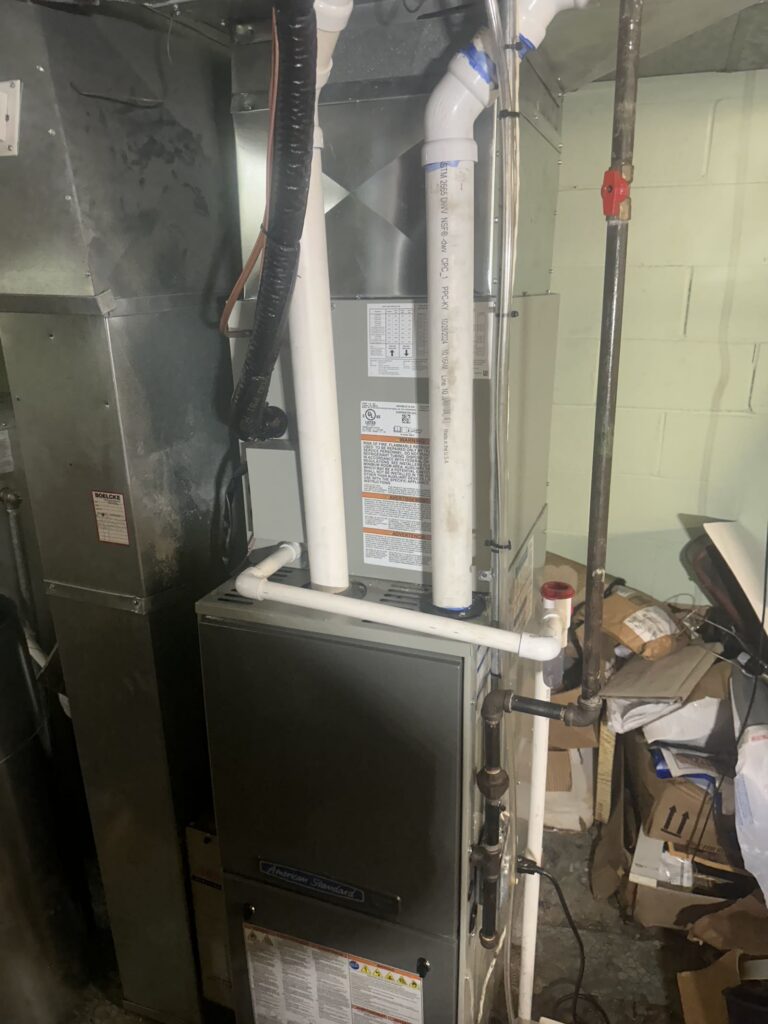
A solid check-up is more than a quick filter swap. Think of it as a multipoint safety and performance review. At BOSS Services, our heating check-ups typically cover the kinds of items that keep a furnace reliable all winter:
Filter and airflow
A clogged filter forces the blower to work harder, can cause uneven rooms, and may trip limit switches. We check (and replace when needed) the filter and look at blower performance and overall airflow so heat can actually reach the rooms you live in.
Thermostat and controls
We verify the thermostat is calling for heat correctly and that safety and electronic controls respond the way they should. A misread thermostat or a tired limit switch is an easy source of short cycling or no heat.
Burners, ignition, and heat exchanger safety
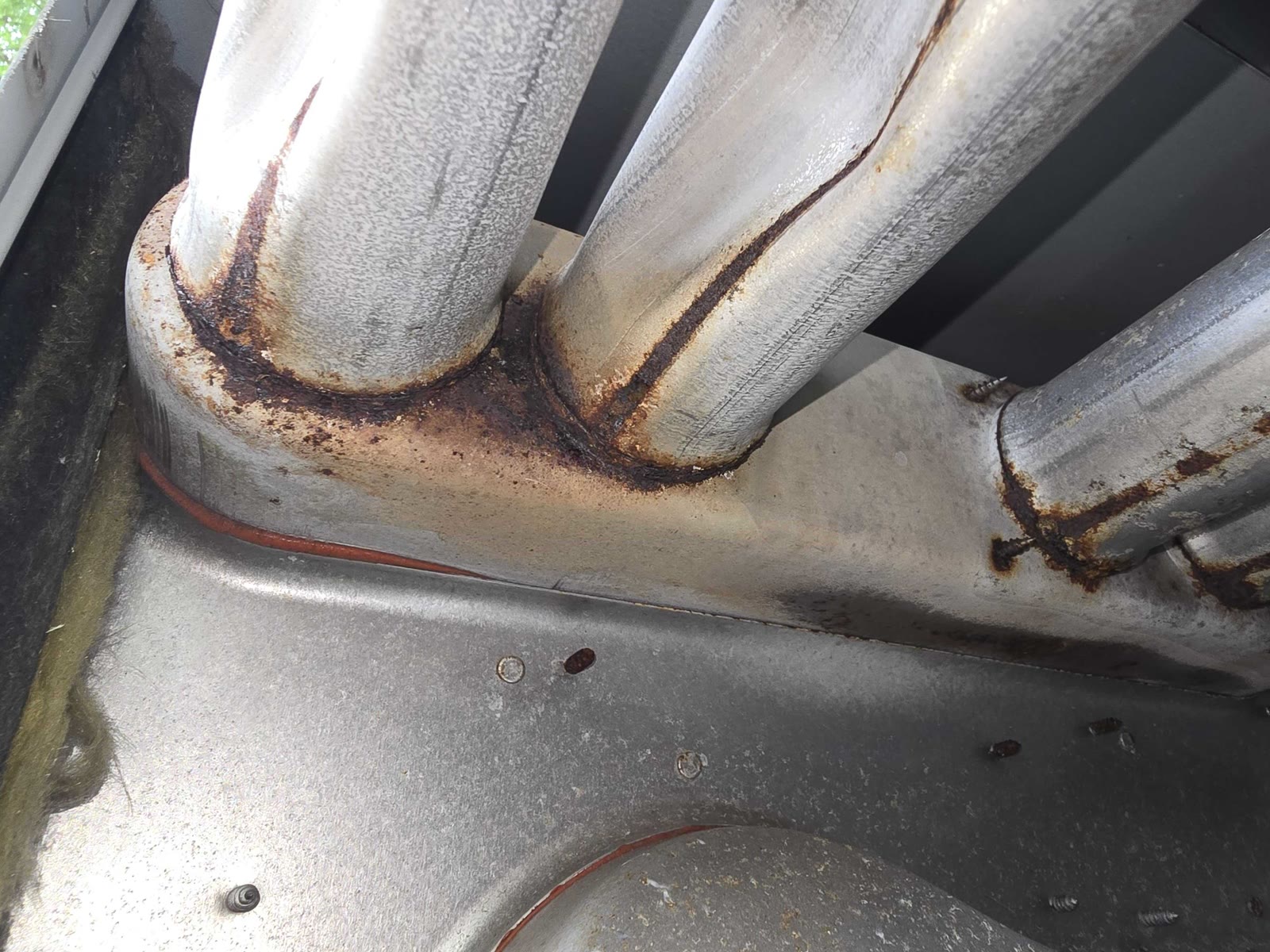
Technicians inspect ignition components, look over the burner assembly, and examine the heat exchanger for signs of damage or corrosion. This is safety-focused work—not something to DIY with a flashlight and guesswork.
Flue, venting, and start-up
We want a clean start: proper draft/venting, no unusual odors or sounds on first fire-up, and a system that settles into steady operation. If something looks off, you’ll get a clear explanation before any repair work begins.
Carbon monoxide awareness (high level)
Working smoke and carbon monoxide detectors belong in every home that uses fuel-burning appliances. A professional check-up includes looking at combustion-related safety items at a practical level—without scare tactics. Keep detectors installed, tested, and within their replacement window year-round. If a detector ever alarms, leave the home and call for help; don’t wait for a “routine” appointment.
DIY vs. Calling a Pro
There’s a healthy middle ground. Homeowners can—and should—handle a few basics:
Good DIY habits
- Replace or clean filters on the schedule your system needs (often every 1–3 months during heavy use)
- Keep the furnace area clear of boxes, paint, and clutter
- Make sure supply and return vents aren’t blocked by furniture or rugs
- Test smoke and CO detectors when you change clocks or seasonally
- Note odd smells, rattles, or rooms that never warm up—and write them down for the tech
Leave these to a trained technician
- Opening the heat exchanger or combustion compartment for diagnosis
- Adjusting gas pressure, burners, or ignition assemblies
- Electrical troubleshooting on control boards and safety switches
- Interpreting cracked heat exchanger concerns or flue problems
If your furnace is more than about a decade old, hasn’t been serviced in a year or more, or struggled last winter, a professional fall furnace visit is especially worthwhile. Same goes if you’ve noticed weak airflow, frequent cycling, rising energy use, or unusual smells at start-up.
When to Call BOSS Services
Call us when you want a thorough seasonal check-up—or sooner if you already hear, smell, or feel something that isn’t right. We’re a veteran-owned team serving St. Joseph, Stevensville, New Buffalo, and communities across Southwest Michigan. We work on all major brands, stand behind 100% upfront pricing, and show up ready to explain options in plain language.
Many neighbors also use our Total Home Care Club so heating and cooling check-ups stay on the calendar automatically, with priority scheduling when winter demand spikes. Whether you’re a member or booking a one-time check-up, the goal is the same: a furnace you can trust when lake-effect weather arrives.
Soft next step
Don’t wait for the first hard freeze to find out your heat isn’t ready. Schedule your fall furnace check-up while the weather still gives you a cushion—and go into winter with one less thing to worry about.
Call (269) 468-6682, or book online when it’s convenient. We’ll help you get ahead of the cold, the practical way.