Heat Pump vs Furnace for Southwest Michigan Winters: Who Should Pick Which?
Southwest Michigan winters are not mild marketing winters. Lake-effect snow, sharp overnight drops, and long cold stretches are normal from Benton Harbor through St. Joseph, Stevensville, New Buffalo, and across Harbor Country.
When someone asks “heat pump or furnace?” they mean: will this keep us comfortable when it’s nasty outside? Straight comparison below—no fluff, no invented rebates or price tags.
What’s the difference between a heat pump and a furnace?
Short answer: A furnace makes heat by burning fuel (usually natural gas) or using electric resistance. A heat pump moves heat—pulling warmth from outdoor air even when it feels cold, then reversing in summer to cool like an AC.
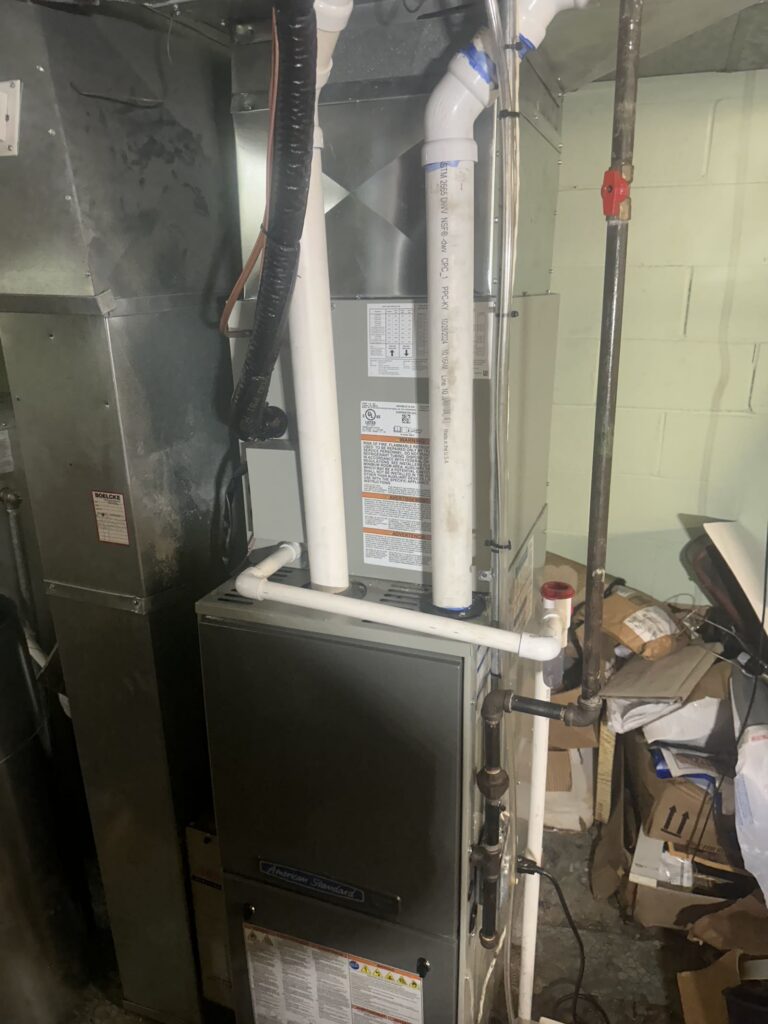
Furnaces are heat-makers. When the thermostat calls, burners create heat and the blower pushes it through your ducts.
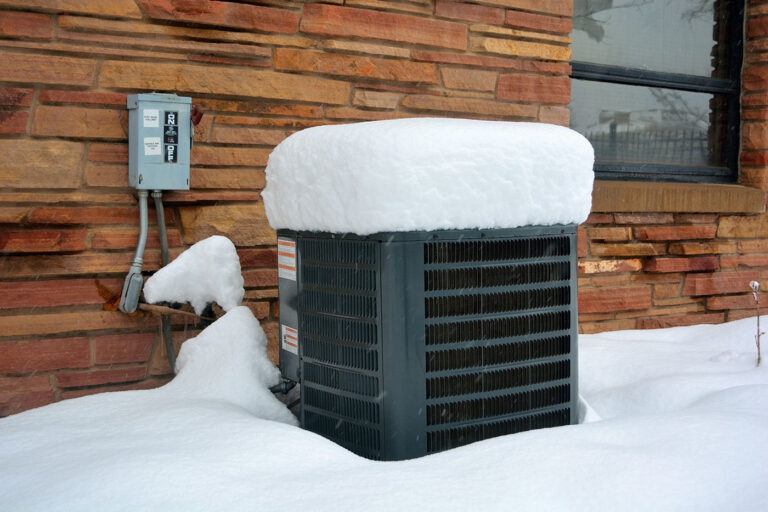
Heat pumps are heat-movers. In heating mode they extract available heat from outside air and bring it indoors. In cooling mode they dump indoor heat outside. One outdoor unit, year-round job.
That efficiency story is real in shoulder seasons. The Michigan winter question is simpler: can it keep up when temperatures crater?
Can a heat pump handle Southwest Michigan winters?
Short answer: Modern cold-climate heat pumps can heat through a lot of our winter, but extreme cold, house tightness, and system sizing still decide whether a heat pump alone feels solid—or whether a furnace (or dual fuel) is the smarter backbone.
Newer heat pumps handle colder weather better than older ones. They keep producing useful heat at temperatures that used to force weak auxiliary heat.
That does not mean every home is a “heat pump only” home.
What matters here:
- How cold it gets at your house, not just the airport average
- Insulation, windows, and air sealing
- Duct design and correct sizing
- Comfort expectations—some people want blast-hot supply air; heat pumps often deliver steadier, slightly cooler-feeling air
- Backup plan—electric strip heat, a furnace pair, or another source for the worst nights
If a salesperson promises “one unit, every January night, zero caveats,” push for details. Real Michigan installs talk about design temperature and backup—not just brochure numbers.
When does a furnace still make more sense?
Short answer: A gas furnace (or furnace-led system) still fits many Southwest Michigan homes that want strong, familiar heat in deep cold, already have gas service, or aren’t ready to lean on electricity alone for the worst weeks.
Furnaces shine when:
- You want that quick, hot blast of supply air
- Natural gas is already at the house
- The home is hard to heat (older construction, big glass, windy lakefront lots)
- You’re replacing a failed furnace and need reliable heat before the next cold snap
- You’re fine pairing a furnace with a separate AC for summer
A furnace is not “old fashioned by default.” It’s a proven tool for cold climates. The better question is whether it’s the only tool you want—or part of a hybrid setup.
What about dual fuel (hybrid) systems?
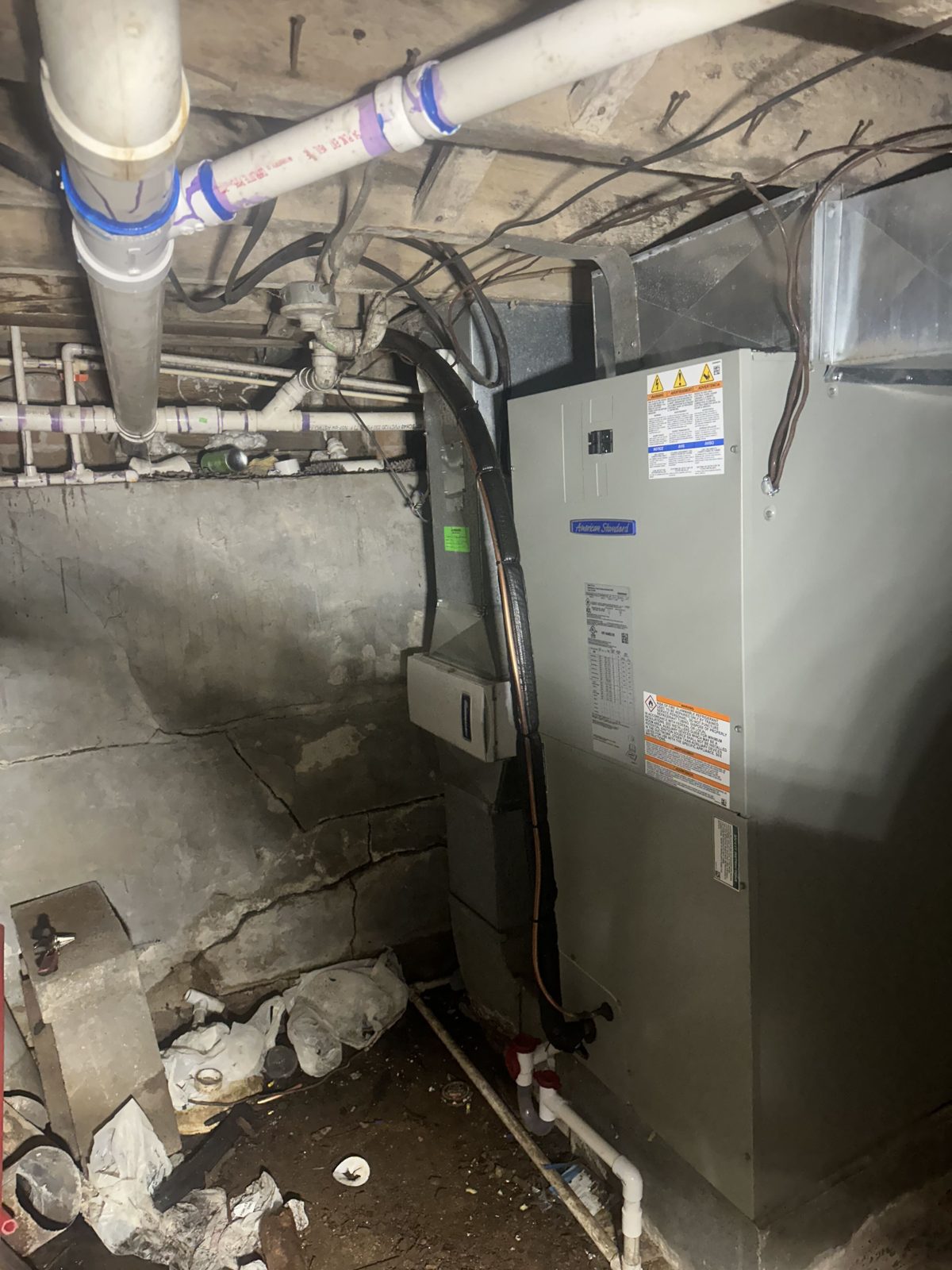
Short answer: Dual fuel pairs a heat pump with a gas furnace. The heat pump handles milder weather efficiently; the furnace takes over when it’s colder or when that switch makes more sense for comfort and operating cost.
This is a natural fit for Southwest Michigan.
In plain terms:
- Fall and spring: heat pump does most of the heating
- Deeper cold: furnace becomes the primary heat source
- Summer: heat pump cools
You’re not picking “green vs warm” as an all-or-nothing fight. You’re letting each machine do what it’s good at.
Dual fuel can make sense if you want heat-pump efficiency most of the year, gas heat on brutal nights, or you’re replacing an aging furnace and AC together. Controls need a real look—but if you’ve heard “heat pumps don’t work in Michigan,” dual fuel is often the practical middle path.
Who should pick a heat pump, a furnace, or both?
Short answer: Pick based on your home, fuel access, comfort preferences, and whether you want one system for heat-and-cool—or a furnace for deep cold with cooling handled separately (or via dual fuel).
Heat pump–leaning fit
- You’re updating heating and cooling together
- The home is reasonably sealed and can be sized correctly
- You like steady temps and less combustion for much of the year
- You’re open to cold-climate equipment and a clear backup strategy
Furnace–leaning fit
- Deep-cold comfort and hot supply air are non-negotiable
- Gas is available and you want a straightforward heat appliance
- The house is a heavy heater (drafty, large, lakefront exposure)
- You’re fine keeping a separate AC for summer
Dual fuel / hybrid fit
- You want efficiency in mild weather and gas muscle in a polar stretch
- Both furnace and AC are aging
- You want automatic switchover set for real Michigan temperatures—not a generic national default
No universal winner. The wrong “best system on paper” in the wrong house is still the wrong system.
What should I do before I decide?
Short answer: Get a home-specific look—load, ducts, fuel, electrical, and how you use the rooms—not a one-line internet verdict.
Before you commit, note which rooms struggle, know your fuel situation, and ask about cold-weather backup—not just efficiency labels. Skip invented rebates or “today-only” numbers you can’t verify.
Boss Services is a veteran-owned team serving Benton Harbor, Harbor Country, and all of Southwest Michigan. We install and service heat pumps, furnaces, and dual-fuel setups—and explain what fits your house in plain English.
Soft next step
If you’re weighing heat pump vs furnace for a Southwest Michigan winter, talk it through with someone who works on both in this climate every week.
Schedule online or call (269) 468-6682.