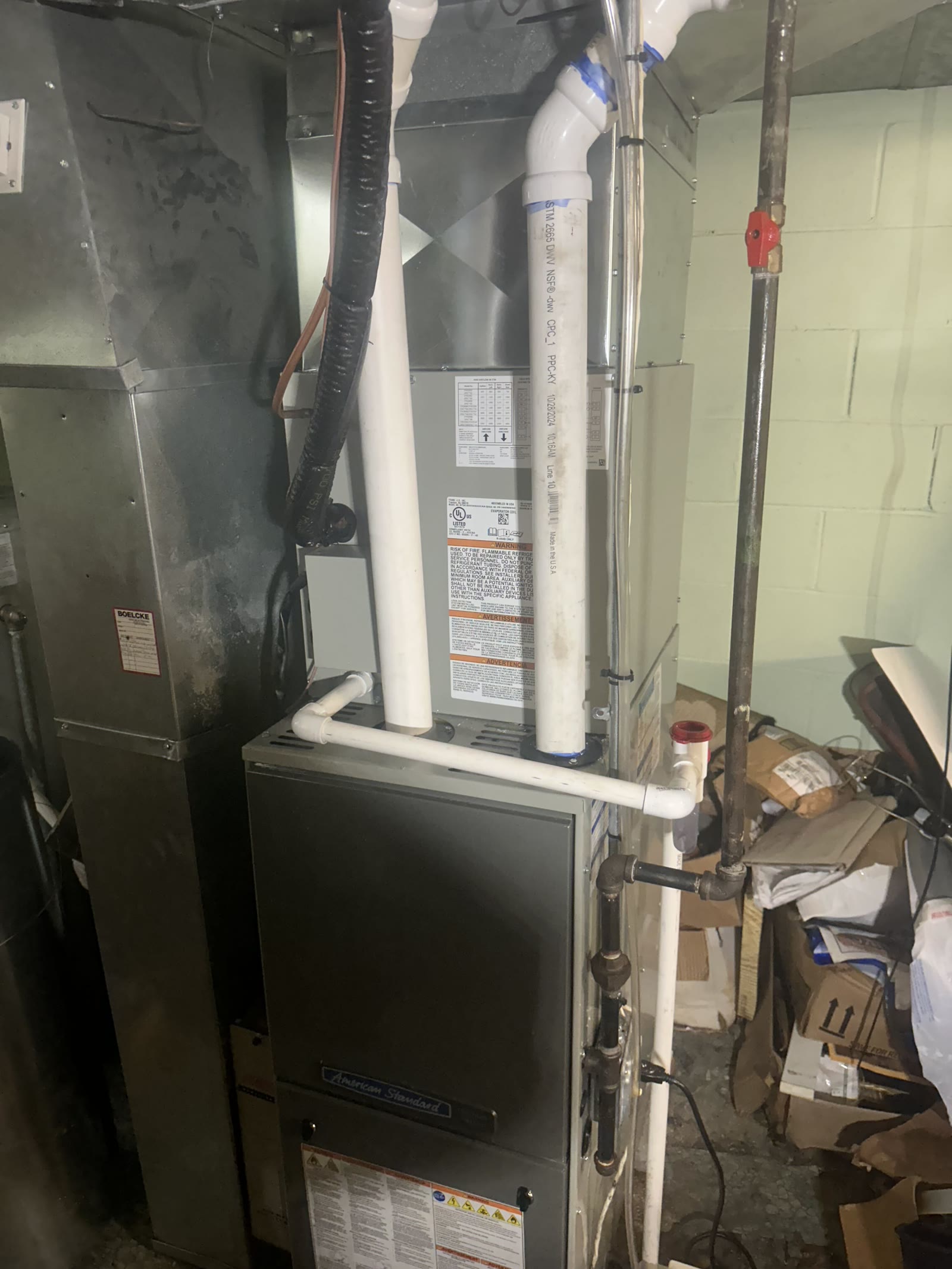
Why Does My Furnace Turn On Then Shut Off?
Your furnace fires up. You hear the familiar start. Then it quits before the house feels warm. Ten minutes later it tries again.
That’s short cycling. It’s common in Benton Harbor, St. Joseph, Stevensville, New Buffalo, and across Southwest Michigan—especially when the first real cold snap hits.
Here’s the straight talk on what causes it, what you can check yourself, and when it’s time to call.
Why does my furnace turn on then shut off?
Short answer: Something is stopping a full heat cycle—usually airflow, a dirty flame sensor, an overheating safety switch, a thermostat issue, gas supply, or (on high-efficiency units) a condensate problem.
The furnace isn’t being dramatic. It’s following safety and control logic. When sensors or airflow don’t look right, it shuts down on purpose. That protects the equipment. It also leaves you with rooms that never catch up.
In Southwest Michigan winters, that pattern shows up fast. Lake-effect nights drop hard. Your system needs longer, steady run times—not a start-stop stutter.
What causes furnace short cycling in SW Michigan homes?
Short answer: The usual culprits are a dirty filter or weak airflow, a coated flame sensor, a tripped high-limit switch from overheating, a misbehaving thermostat, gas delivery hiccups, and clogged condensate drains on high-efficiency furnaces.
Dirty filter or restricted airflow
This is the most common one we see. A packed filter, closed vents, or blocked returns make the furnace heat up too fast. The high-limit switch trips. Flame goes out. Cycle ends early.
- Check the filter first. If it’s gray and clogged, replace it with the correct size and direction arrow.
- Make sure furniture, rugs, and storage aren’t covering supply or return vents.
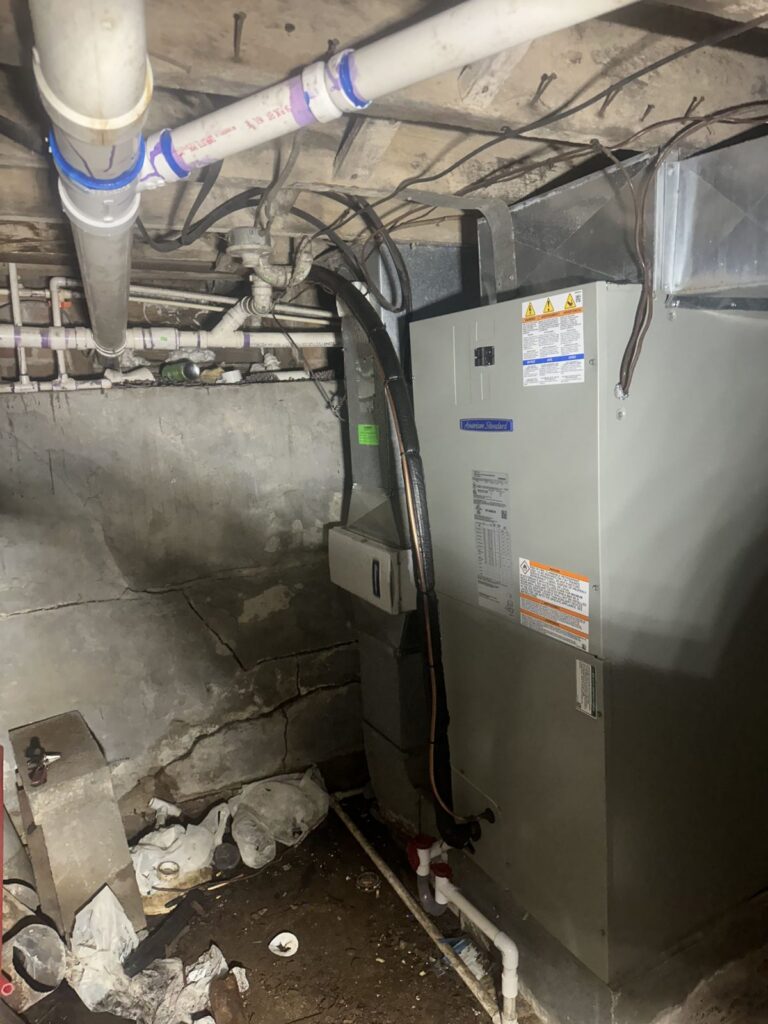
- Keep boxes and clutter away from the furnace cabinet so the blower can breathe.
If you want filters delivered, you can shop our online filter store here.
If the filter is clean and vents are open but it still short cycles, airflow deeper in the system may need a tech.
Flame sensor problems
Many gas furnaces use a flame sensor to confirm the burner lit. If that rod gets coated, it can’t “see” the flame. The control board shuts gas off—often after only a few seconds of heat.
You might hear ignition, see a brief flame, then a shutdown. It can retry. It can also lock out after several tries. Cleaning it right is a light tech job—not a guesswork DIY.
Overheating / high-limit switch
When the furnace overheats, the limit switch kills the burners. That often ties back to airflow. It can also mean a failing blower or other mechanical issues.
The switch is doing its job. Repeated limit trips aren’t something to ignore through a Michigan cold snap.
Thermostat issues
Sometimes the furnace is fine and the thermostat is the troublemaker.
- Wrong mode or fan setting
- Dead batteries
- Poor placement near drafts, sunny windows, or supply vents
- Wiring or calibration problems
If heat calls seem random, rule out the thermostat before you assume the furnace is dying.
Gas supply problems
Low gas pressure or a slow valve can cause weak ignition. The system may start, struggle, and shut down.
Gas work is not DIY. If you smell gas, leave the home and follow emergency guidance. For intermittent start-and-stop without a smell, a licensed tech should diagnose it.
Condensate issues on high-efficiency furnaces
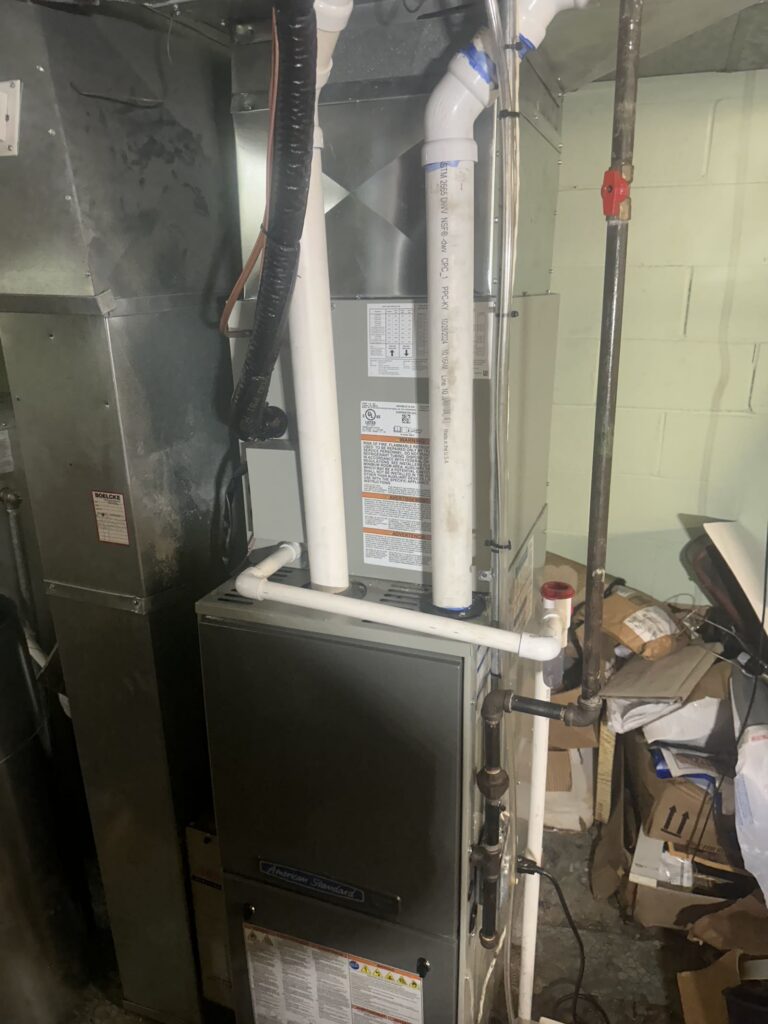
High-efficiency furnaces make water as they run. If the drain freezes, clogs, or the condensate switch trips, the furnace can shut down mid-cycle.
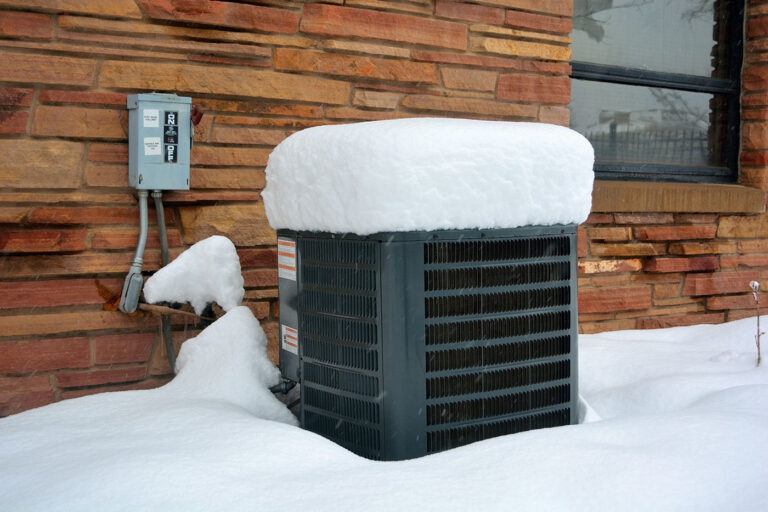
Harbor Country humidity swings and cold garage or crawlspace runs make this more common than people think. Wet floors near the unit or repeated shutoffs on a newer high-efficiency furnace are clues.
What can I check myself vs. when do I need a pro?
Short answer: You can handle filters, vents, thermostat basics, and a clear furnace area. Leave flame sensors, gas, electrical controls, limit diagnosis, and condensate repairs to a trained technician.
Good DIY checks
- Replace a dirty filter
- Open closed vents; clear returns
- Confirm heat mode and a sensible setpoint
- Swap thermostat batteries if it uses them
- Note odd smells, error codes, or how long it runs before shutting off
Call a pro for
- Flame sensor cleaning and ignition diagnosis
- Limit switch / overheating root cause
- Gas valve, pressure, or burner work
- Control board and safety-switch troubleshooting
- Condensate drain, trap, and switch repairs
One Michigan note: waiting until single-digit nights to “see if it gets better” usually means you’re calling the same day as half the county. If short cycling starts in early fall, get ahead of it.
Seasonal furnace maintenance helps catch airflow and safety issues early. If you want ongoing coverage, see our maintenance plan.
For more help, see our heating service options.
When should I call about a furnace that turns on then shuts off?
Short answer: Call if it keeps short cycling after a fresh filter and basic thermostat check—or sooner if you smell gas, hear unusual bangs, see error lockouts, or have no steady heat.
Call sooner if cycles are getting shorter, some rooms never warm up, the system locks out and needs a reset, or a high-efficiency unit keeps shutting off with water nearby.
Boss Services is a local, veteran-owned team serving St. Joe, Benton Harbor, Sister Lakes, Harbor Country, and all of Southwest Michigan. We work on all major brands and explain what’s going on in plain language.
Soft next step
Don’t let a short-cycling furnace grind through another cold week.
Schedule online or call (269) 468-6682.